Preparing for a visit
Before an ant treatment
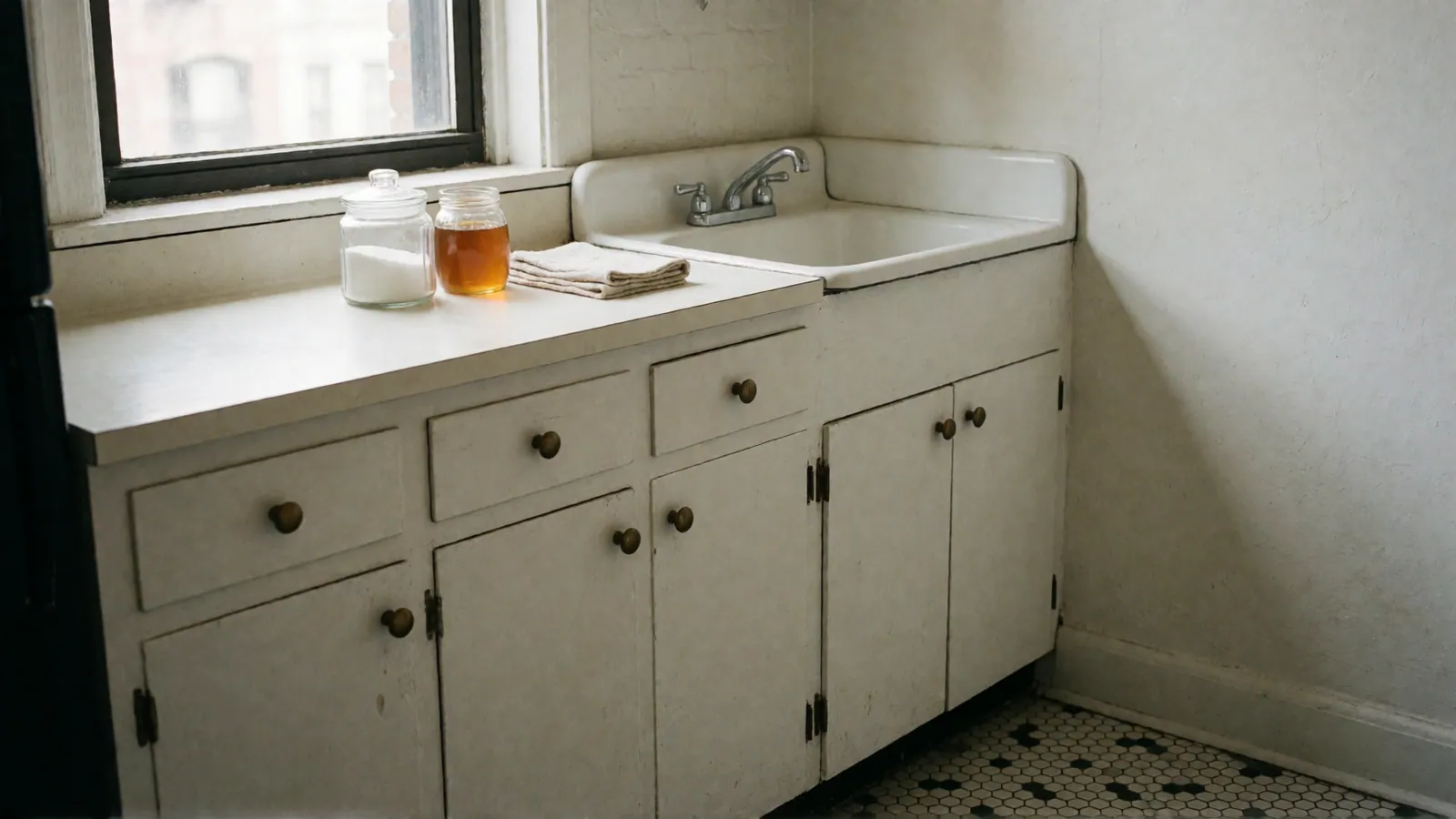
A note of where the trail runs and when, sweet food sealed away, and the trail itself left for the technician to follow: getting ready for an ant treatment.
AI-generated illustration. Not a real home or business.
Why this list
The trail is the technician's map to where the ants come in and, for some kinds, to where they nest. Sprayed or wiped away the day before, it tells nobody anything. Clean up the spill they're coming for, and leave the line of ants itself.
A photograph helps the technician tell which ant it is before arriving, and the kind decides the bait.
The list, item by item
Ten things to do. Each visit comes with its preparation list, and this is the one for ants, in full.
Note where you see trails and at what time of day, and take a photograph if you can.
Don't spray the trails before we come: it hides where they're going.
Wipe up sugary spills, but leave the trail itself until we've seen it.
Store sweet food and pet food in sealed containers.
Tell us about leaks: damp wood draws carpenter ants.
Clear access to the baseboards, the window sills and the space under the sinks.
After the visit, don't clean the bait spots for as long as we tell you.
For the small yellow ants that live inside apartment buildings, never spray: it makes the colony split.
Expect more ants around the bait for a few days.
Keep the follow-up visit.
On the day
The treatment takes about forty-five minutes. The bait goes along the trail and at the way in; leave it there for as long as the technician says.
Expect more ants around the bait for a few days, because they are carrying it home. The second visit, a follow-up check, is two weeks later.
Staying out, and for how long. Before we treat, we tell you who should stay out of treated areas and for how long, exactly as the product label says.
The label comes to you. We don't name products on this website. Before we treat, we give you the label information for every product we plan to use, including its warnings, on paper or by e-mail, whichever you prefer. After each visit you get a written record of what was used, where, and for which pest.
Placed, not sprayed. We use the least product that will do the job, placed where pests travel and hide rather than sprayed over rooms.
Where to go next
Start with an inspection
Book an inspection, at least twenty-four hours ahead. There's no charge for it, and nothing has to follow it.