A demonstration site — this company, its technicians and its customers are not real.
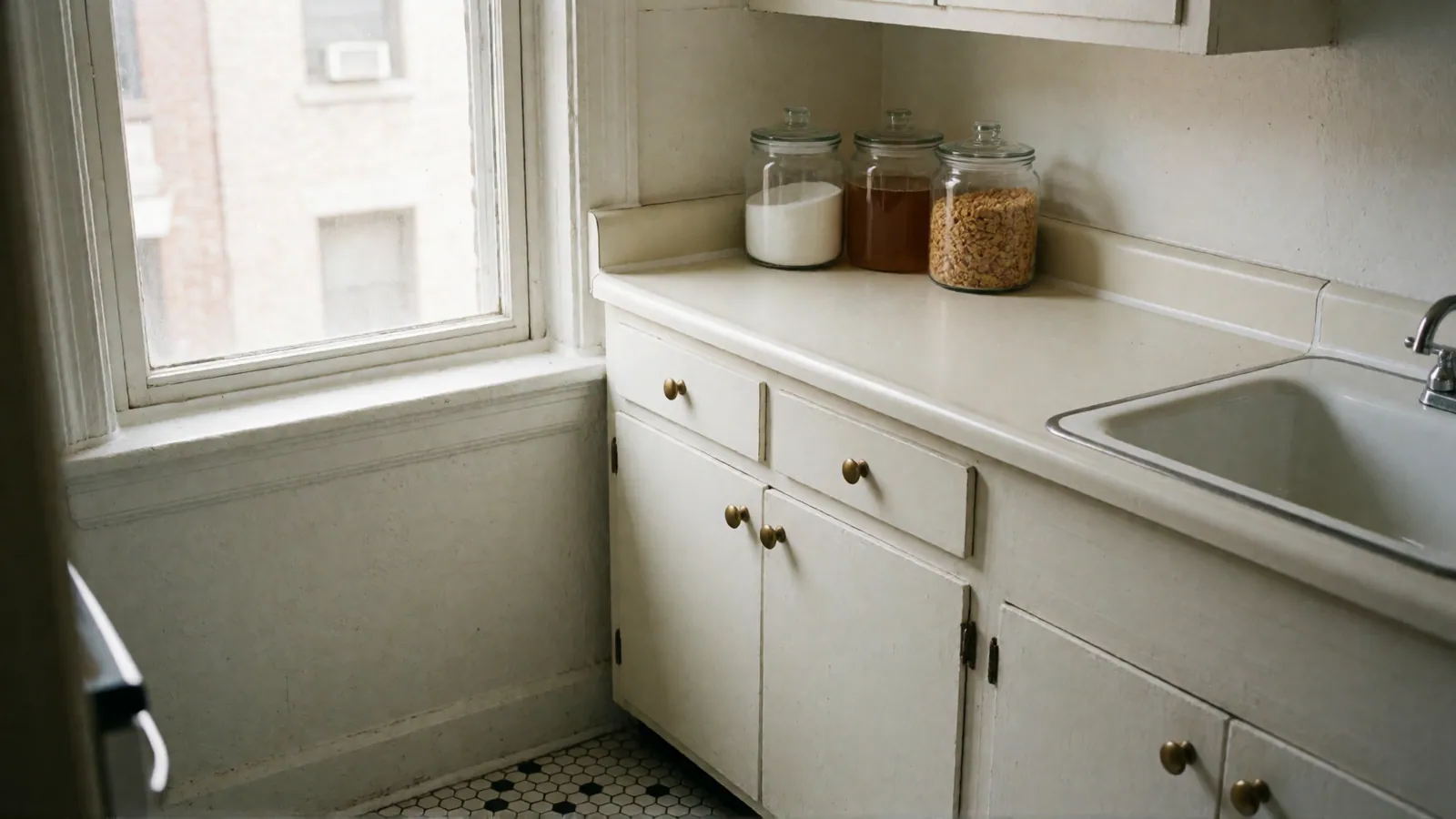
A kitchen counter by a sash window, wiped bare, with three tightly lidded glass jars of sugar, honey and cereal against the wall and an enamel sink beside it.

What we treat

Follow the trail before anything is put down

The trail followed back to where it comes in, bait chosen for the kind of ant it is, and a check two weeks later.

  • A course, $196 to $246
  • Two visits

AI-generated illustration. Not a real home or business.

Which ant it is

Ants are the pest where the kind matters most, because the kind decides the bait and whether anything should be sprayed at all. Most ants in a Queens home are one of these four.

  • Pavement ants

    Small and dark brown, nesting under the sidewalk, the slab and the foundation. They come up through cracks in a basement floor or along a baseboard, often in long trails in spring.

  • Odorous house ants

    Small and brown-black, with a smell like rotten coconut when one is crushed. They run busy, wandering trails to anything sweet, and nest in walls and under floors near moisture.

  • Carpenter ants

    Large and black. They don't eat wood: they hollow out wood that is already damp, around a leaking window, a roof edge or a bathroom wall. Small piles of fine sawdust under a baseboard or a window frame are the sign.

  • Pharaoh ants

    Tiny and pale yellow, living inside the walls of apartment buildings and feeding in kitchens and bathrooms. A spray makes the colony split into several, so they are baited and never sprayed.

  • Sprayed trails split a colony; bait is carried back into it.
  • Carpenter ants mean damp wood somewhere, and the damp is the real job.

The trail is the map

The technician follows the trail back from the food to where it disappears: a crack at the baseboard, the edge of a window sill, a gap where a pipe enters, a seam in the floor. That point, not the kitchen counter, is where the work goes.

Ants change what they want through the year, protein when a colony is growing and sugar at other times, so the technician watches what this trail is carrying before choosing a bait. For carpenter ants the real search is for the damp, which is often a leak somebody can fix, and it goes into the written findings.

Inspection first. Every job starts with an inspection. There's no charge for it, and you don't have to book anything after it.

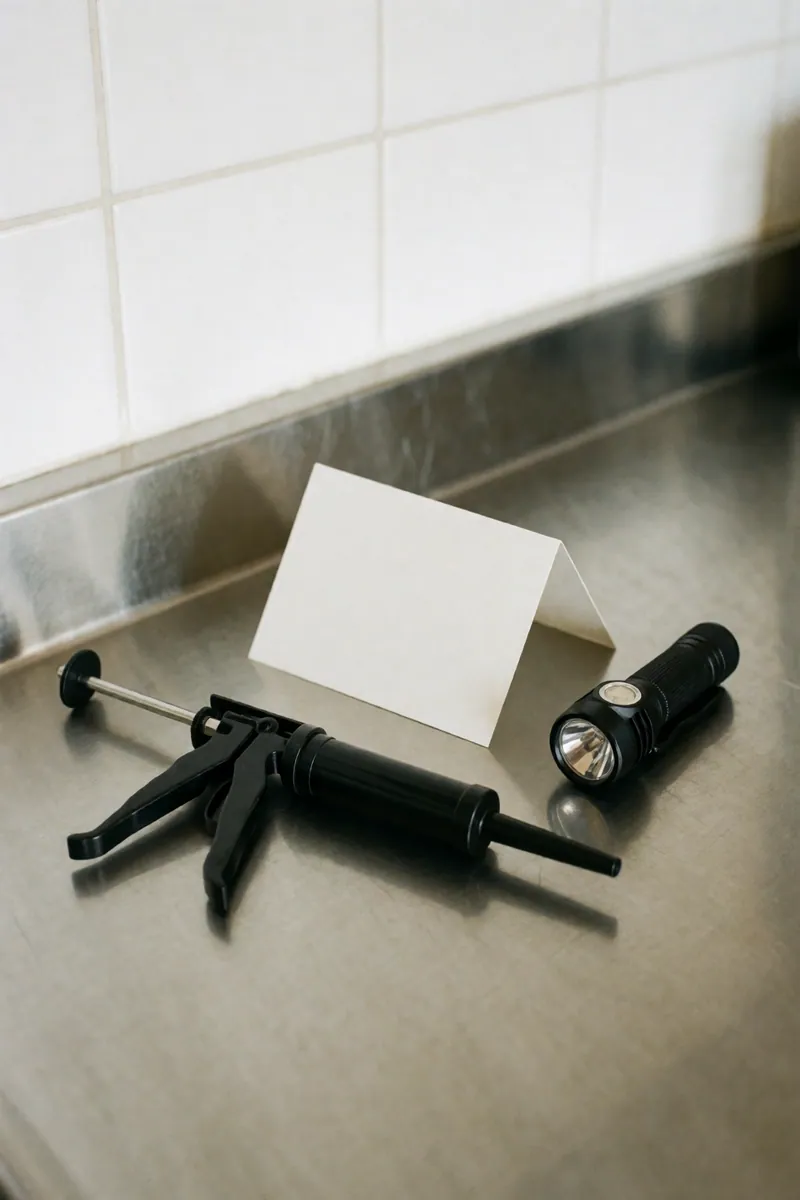
A stainless steel counter against white tile, with a slim black bait applicator shaped like a small caulking gun, a small plain white folded card and a small black flashlight.AI-generated illustration. Not a real home or business.

Priya Mahadeo-Kelleher

Technician, cockroaches and ants

Bait, monitors and the follow-up visit that shows whether it worked.

Priya puts a small dab of bait in a hinge rather than a spray across a kitchen, and leaves monitors to show what changed.

On a restaurant's monthly visit she is there before the first cook arrives.

The course, visit by visit

Two visits, and every one of them is on the agreement, with its date, its price and its tax, before you sign.

  1. The first visit: a treatment

    At least twenty-four hours after you sign, so there is time for the preparation list, and for a home after your three business days to cancel unless you ask in writing to start sooner. It takes about forty-five minutes. Bait goes along the trail and at the point where it comes in, chosen for the kind of ant and what it is eating now. Workers carry it back to the nest and feed it to the rest, which is why the trail has to be left alone afterward. If the ants come from outside, the cracks at the way in are sealed and a band is treated at the base of the outside wall.

  2. The second visit: a follow-up check

    Two weeks after the first visit, about thirty minutes. The technician looks at whether the trail is still running, checks the bait that was left, swaps it for another kind if the ants stopped taking it, and looks again at the way in.

Ant course: a treatment and a follow-up check two weeks later. A course's price is split into equal parts, one invoiced after each of its scheduled visits, so you never pay for a visit that hasn't happened.
The homeThe course, before taxEach of two partsTax on each part
Studio or one bedroom$196$98.00$8.70
Two bedrooms$196$98.00$8.70
Three bedrooms or more$196$98.00$8.70
A house$246$123.00$10.92

A return visit within thirty days of the last scheduled visit is part of the course.

If they come back. If pests come back between visits, telephone the office. A return visit inside a course's return period, or at any time during a plan, is part of its price.

What you can do yourself

Don't spray the trail, and don't wipe it away before the visit: it's how the technician finds where the ants come from.

Clean up what they're coming for: the sugar bowl, a sticky shelf, the pet food, the crumbs inside the toaster. Sweet things go into containers that close.

If you can see a leak, fix it or report it. Carpenter ants follow damp wood, and they leave when it dries.

Before anything is applied

What you're given before a treatment, and the lines this work doesn't cross.

Placed, not sprayed. We use the least product that will do the job, placed where pests travel and hide rather than sprayed over rooms.

We stop at the foundation. Outdoors we work only around the foundation, for pests that are getting inside: a band treated at the base of the wall, locked bait stations against it, gaps sealed. We don't treat lawns, gardens, trees or shrubs, and we don't spray yards for mosquitoes or ticks.

The label comes to you. We don't name products on this website. Before we treat, we give you the label information for every product we plan to use, including its warnings, on paper or by e-mail, whichever you prefer. After each visit you get a written record of what was used, where, and for which pest.

Staying out, and for how long. Before we treat, we tell you who should stay out of treated areas and for how long, exactly as the product label says.

A monthly or quarterly plan covers ants between visits, for a home or a business that sees them often.

Book an inspection for ants

Book an inspection, at least twenty-four hours ahead. There's no charge for it, and nothing has to follow it.