Fourteen things to do
Before a bed bug treatment
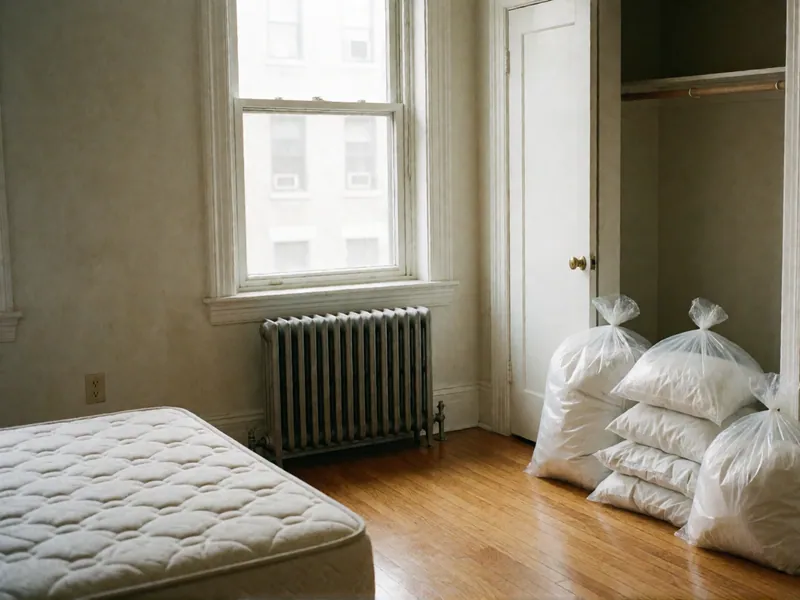
Strip all beds. Put sheets, pillowcases, blankets and mattress pads into plastic bags in the bedroom, tie them shut, then wash and dry them on the hottest settings.
Every job starts with an inspection, and there's no charge for it.
37-32 61st Street, Woodside, NY 11377
Preparing for a visit
What to empty, bag, clean and leave alone before we come, for each pest, for the inspection and for a plan visit, and the reason behind each item.
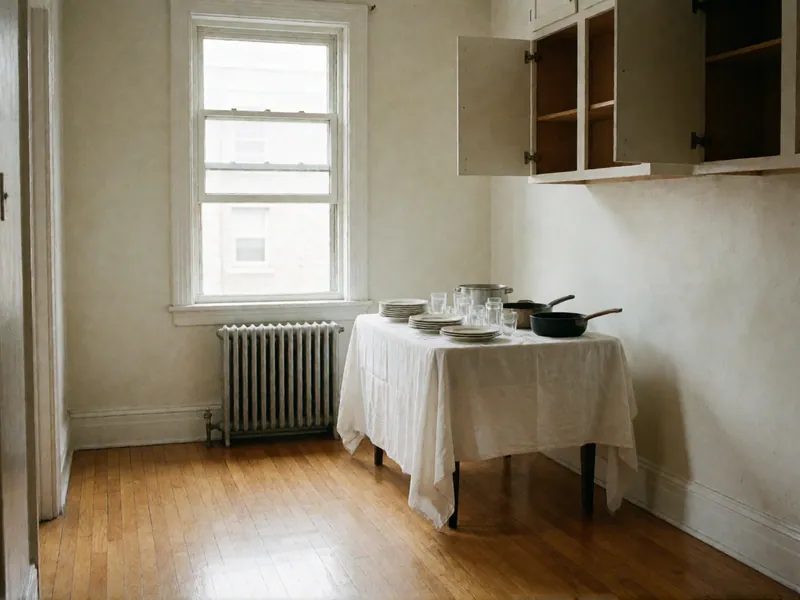
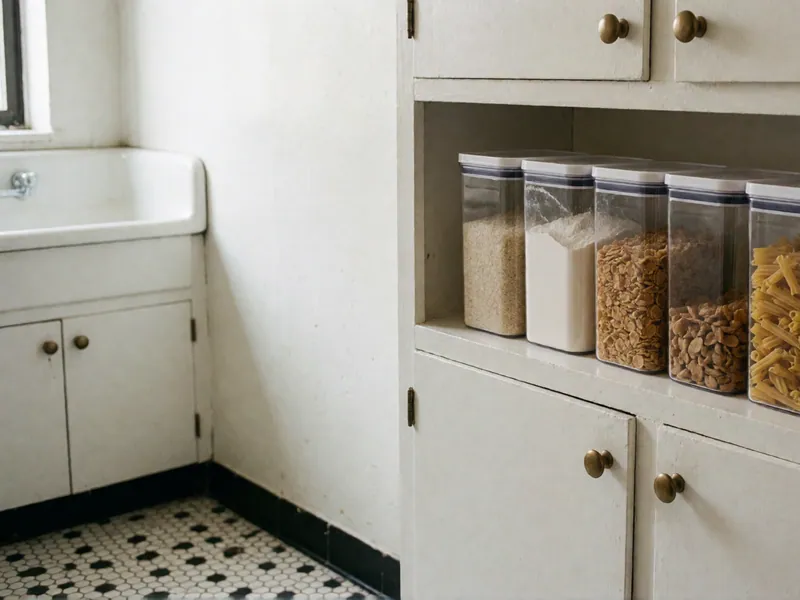
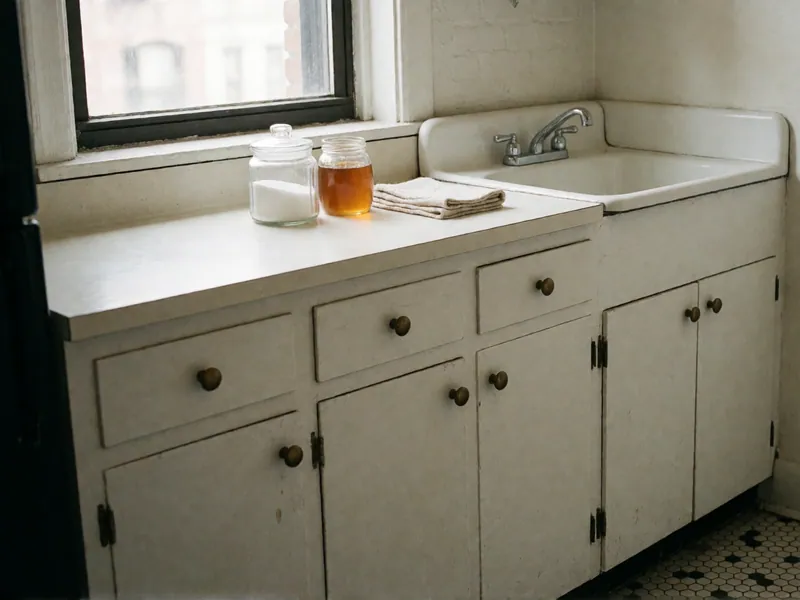
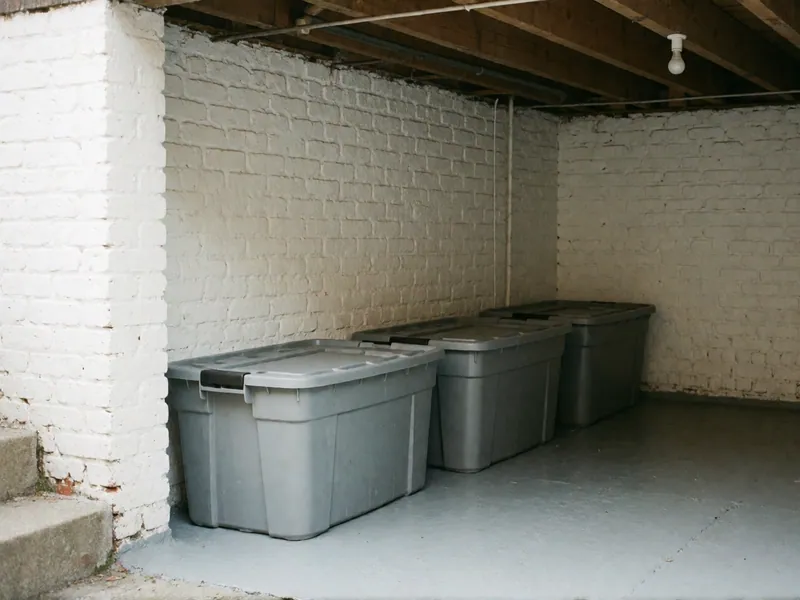
AI-generated illustration. Not a real home or business.
A treatment reaches what the technician can reach. A cockroach behind a full cabinet, a bed bug in a drawer of clothes, a mouse route behind the boxes in the basement: if the place isn't cleared, the visit works around it, and what was missed is still there at the next one.
Preparation also takes away what pests live on. A kitchen with the food sealed and the garbage out makes the bait the easiest meal in the room; a bedroom with its laundry bagged and washed hot leaves bed bugs far fewer places to be.
And some of it is about what not to do. A store-bought spray before a visit scatters cockroaches and sends bed bugs into the walls; a wiped cabinet after it takes the bait away. Each list says which is which, and why.
In your e-mail too. The confirmation e-mail gives the day, the window, how long the inspection takes, what to have ready, and the link to your booking's own page.
Each one in full, with what happens on the day.
Fourteen things to do
Strip all beds. Put sheets, pillowcases, blankets and mattress pads into plastic bags in the bedroom, tie them shut, then wash and dry them on the hottest settings.
Thirteen things to do
Empty the kitchen cabinets and drawers, and the space under the sink.
Eleven things to do
Write down where and when you've seen droppings or heard movement, and show us.
Ten things to do
Note where you see trails and at what time of day, and take a photograph if you can.
Eight things to do
Clear access to the basement walls, the boiler room and any crawl space.
Nine things to do
Keep everyone, children and pets especially, away from the nest.
Six things to do. Most of it is about letting the technician see: the pipes under the sinks, the gap behind the stove, the basement.
Write down where and when you've seen pests or their signs, and show the technician.
Clear the space under the kitchen and bathroom sinks, so the technician can see the pipes and the back wall.
Make sure the technician can reach behind the stove and the refrigerator, or tell us if they can't be moved.
Unlock the basement, the boiler room or any storage the technician should see.
Don't spray or put anything down before the inspection: it hides where pests are going.
Tell the technician who lives there: children, anyone pregnant, anyone with a breathing condition, and pets and fish.
Six things to do. The first visit of a plan is the longer one: the whole place looked over, the monitors set, the gaps closed. Every visit after it is shorter.
Tell us about anything you've seen since the last visit.
Clear the floor along the kitchen and bathroom baseboards.
Put pets in another room and cover fish tanks.
Leave our monitors and stations where they are.
Leave us a way into the basement and around the outside.
Telephone between visits if pests come back: a return visit during a plan is part of its price.
That depends on the product, so it is the label's answer, and the technician asks about your household in person.
Staying out, and for how long. Before we treat, we tell you who should stay out of treated areas and for how long, exactly as the product label says.
Asked in person. The booking form asks nothing about who lives with you. At the inspection the technician asks about children, pregnancy, breathing conditions, pets and fish, because the product label decides who should stay out of treated areas and for how long.
The label comes to you. We don't name products on this website. Before we treat, we give you the label information for every product we plan to use, including its warnings, on paper or by e-mail, whichever you prefer. After each visit you get a written record of what was used, where, and for which pest.
Book an inspection, at least twenty-four hours ahead. There's no charge for it, and nothing has to follow it.