The journal
Bed bugs when you rent in New York City
Who has to keep an apartment free of pests, the bed bug history a landlord gives a new tenant, the yearly filing, and what to put in writing.
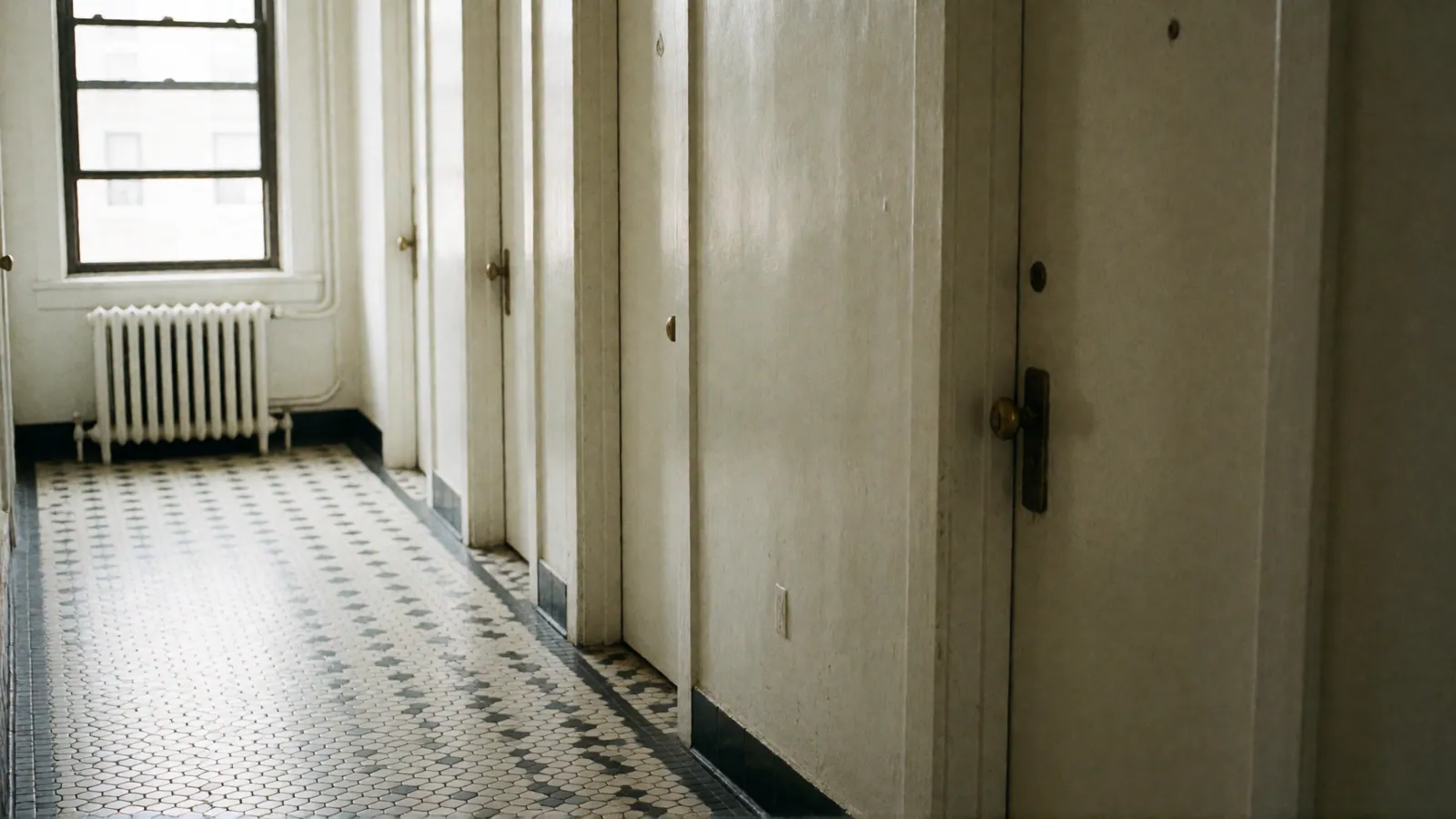
AI-generated illustration. Not a real home or business.
Finding bed bugs in a rented apartment raises a second question right after the first one: whose job is this? In New York City the answer starts with the building's owner. This article goes through what the City's rules say, in plain words, and what you can do today. Each rule is printed with its source at the end.
If you rent. If you rent in New York City, your building's owner is responsible for keeping your apartment free of pests, bed bugs included. Tell your landlord in writing first; you can also call 311.
The owner's duty
The City's housing code puts pests on the owner. Its rule is that the owner of a multiple dwelling keeps the premises free from pests.
That doesn't mean a tenant has nothing to do. Bed bug treatment works or fails on preparation, and the preparation happens in your apartment, with your laundry and your furniture, whoever books the technician. It does mean the first letter goes to the owner.
Writing to the owner
Write to the owner. A letter or an e-mail works better than a word in the hallway, because it says when the owner was told, and what.
Keep it short and specific: what you found, where, and for how long you have noticed it; photographs, close up and in focus; what you have already done, such as bagging the bedding; and what you are asking for, which is an inspection and treatment by a pest control company and the date of it in writing. Keep a copy, and keep any answer with it.
Mention the apartments around you if you know of bed bugs there. In a building, bed bugs move between apartments along pipes and through gaps in the walls, and the owner is the one who can have the apartments on either side, above and below looked at. A treatment of one apartment while the next one goes untreated is how the same building calls about the same problem every few months.
The bed bug history you're given
When a new lease is signed, the tenant is told about the past. The City's rule is that a landlord gives a new tenant a notice of the building's bed bug history for the previous year. If you signed recently, look through what came with the lease. If it shows bed bugs in the building last year, that is worth knowing, and worth mentioning when you write.
What it can't tell you is anything about this year, or about the apartment next door today. It is a record, not an inspection.
The yearly filing
Separately, the owner of a multiple dwelling reports each year how many apartments had bed bugs, were treated and had them again. That count is about the building as a whole. It doesn't replace telling the owner what you found in your apartment, and it doesn't wait for the end of the year: the letter goes now.
When the owner sends someone in
The owner, or the company the owner hires, has to get into your apartment, and the City sets the notice. Its rule is that an owner gives a tenant written notice at least twenty-four hours before an inspection and a week before repairs, on weekdays between nine and five unless the tenant agrees otherwise.
Use the notice. A bed bug treatment needs the beds stripped, the clothes bagged and laundered, the drawers emptied and the furniture pulled away from the walls before the technician arrives, and that takes longer than an evening. The list is the same whoever pays for the visit.
If you book us yourself
You can, whether or not you have written to the owner. Some tenants want to know what it is before they write; some have written and are still waiting. Every job starts with an inspection. There's no charge for it, and you don't have to book anything after it.
If you go on to a course, the agreement is yours, the label information comes to you, the tenant who booked us, and you have three business days after signing to change your mind, owing nothing. Whether the owner pays you back is between you and the owner. We don't promise it, and nobody else should either.
Until two checks find nothing. Bed bugs usually take more than one visit. The course is a treatment, a second treatment two weeks later and a follow-up check two weeks after that, and we return until two checks in a row find no sign, within 120 days of the first treatment, as part of the course price.
The rules, as they read
Each in a sentence of its own, as checked in October 2026.
- N.Y.C. Admin. Code § 27-2017.1 (opens the source in a new tab) The owner of a multiple dwelling keeps the premises free from pests.
- N.Y.C. Admin. Code § 27-2018.1 (opens the source in a new tab) A landlord gives a new tenant a notice of the building's bed bug history for the previous year.
- N.Y.C. Admin. Code § 27-2018.2 (opens the source in a new tab) The owner of a multiple dwelling reports each year how many apartments had bed bugs, were treated and had them again.
- 28 RCNY § 25-101 (opens the source in a new tab) An owner gives a tenant written notice at least twenty-four hours before an inspection and a week before repairs, on weekdays between nine and five unless the tenant agrees otherwise.
More from the journal
- Mice or rats: how to tell, and why it changes the work
- Why cockroach bait takes two weeks, and why you see more of them first
- The signs of bed bugs, and what to do before you call anyone
- How much does pest control cost in Queens?
- Why a spray is not a plan
- What to ask a pest control company before it treats your home
Start with an inspection
Book an inspection, at least twenty-four hours ahead. There's no charge for it, and nothing has to follow it.